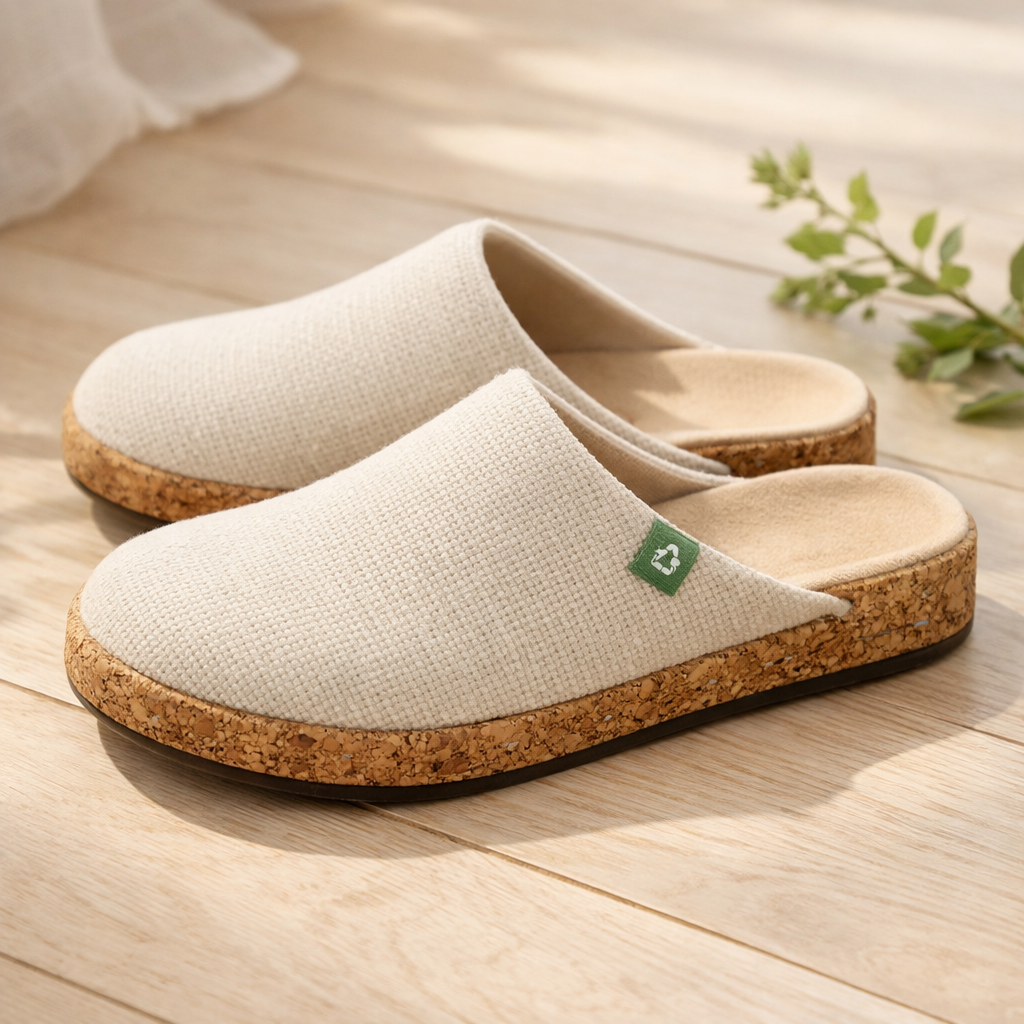
Sustainable Mule Shoes for Spring: Vegan, Durable Styles Worth Wearing
Slip-on ease, office-ready polish, and credible sustainability make mules the most versatile women’s shoes for Spring 2026. If you’re building a buy-less-buy-better wardrobe, sustainable mule shoes—especially vegan mules made with bio-based leather alternatives—deliver comfort and longevity without sacrificing style. This season’s refined takes span durable flat mules and loafer mules you can wear studio-to-street, plus sharp-toe and square-toe options for dressier days. Look for repairable footwear with stitched construction, replaceable soles, and materials designed to endure. From woven raffia mules to cork soles and sleek backless loafers, the goal is simple: one pair that works hard all week and still looks fresh by summer’s end. At The Yoga Republic, we focus on pairs that balance studio-to-street function with long-term wear.
Why mule shoes matter this spring
Runway coverage put backless loafers and refined mules squarely on the Spring 2026 map, spotlighting square and rounded toes with flat soles or subtle block heels—a mix that reads modern and wearable, not faddish, per Vogue’s Spring 2026 shoe trends. Stylists also note a shift from chunky silhouettes toward slimmer, polished loafer mules that slide into daily rotation with ease, as reported by Business Insider’s Spring 2026 shoe trend brief.
Elevated casual means styles that feel as easy as sneakers but read polished—think closed-toe, loafer-leaning mules with tailored lines that work from desk to dinner.
Just as important, consumers continue to invest in fewer, better shoes that replace throwaway pairs and prioritize comfort and longevity, a buy-less-buy-better mindset highlighted in Chattanooga Shoe Company’s Spring 2026 guide. Sustainable mule choices—repairable builds, durable uppers, and thoughtful materials—fit that shift. We see this daily with our community choosing repairable builds over throwaway buys.
Key silhouettes to know
- Loafer mules: polished, office-friendly slip-ons modernized on 2026 runways (validated by Vogue; reinforced by Business Insider).
- Flat closed-toe mules: chic with jeans—part of the broader rise of everyday flats per Who What Wear’s flat mules trend.
- Sharp-toe mules: pointed or prominent toe shapes that instantly sharpen event looks, echoed in Refinery29’s 2026 shoe trends.
- Square-toe mules: on-trend and comfort-forward with more toe room, a practical nod in the Chattanooga guide.
- Clog-mule hybrids: vintage-leaning forms with cork or wood soles for earthy texture, called out in Business Insider’s analysis.
Comparison guide
| Silhouette | Best for | Comfort notes (toe/heel) | Style cues to spot |
|---|---|---|---|
| Loafer mules | Workdays, travel | Rounded/square toe; low block heel | Apron stitching, penny keeper |
| Flat closed-toe | Weekend, commute | Roomy forefoot; flat sole | Minimal seams, glove-fit uppers |
| Sharp-toe | Events, after-hours | Pointed toe; slight lift | Sleek vamp, metallic accents |
| Square-toe | All-day versatility | Extra toe room; stable heel | Geometric toe box, modern lines |
| Clog-mule hybrid | Casual, markets | Cork/wood platform; rocker feel | Braiding, raffia trims, studs |
Tip: Flat mules with jeans and backless loafers both bridge weekday-to-weekend. Choose pointed-toe mules to dress up; opt for square-toe comfort for longer wear. At The Yoga Republic, we often start clients in a square toe for roomier comfort.
Materials that make vegan mules durable
A bio-based leather alternative is a material partly or mostly derived from plants or agricultural byproducts (such as olive waste). The best formulas balance suppleness, water resistance, and abrasion durability for long-term wear.
Oleatex—made from olive-oil waste—illustrates the progress: certain formulations reach about 65% bio-based content, with development targets approaching 90%. Independent testing cited by Vogue UK’s report on vegan leather shoes notes supple, waterproof performance comparable to leather, and the material has already appeared in commercial footwear, including Ganni’s SS25 range.
Vegan isn’t automatically lower impact. Many “vegan leathers” still rely on fossil-based plastics; true sustainability weighs materials, manufacturing emissions, repairability, and end-of-life options—beyond a single label, as Vogue UK underscores. Meanwhile, natural components like woven and braided uppers, cork or wood soles, and raffia trims are trending and can signal craft and longevity when responsibly sourced, in line with the Chattanooga guide. At The Yoga Republic, we surface bio-based percentages and construction notes in our guides and listings so you can compare options quickly.
Design choices that extend product life
Look for design-for-repair features:
- Replaceable outsoles or heel caps.
- Stitched (ideally welted or Blake-stitched), not just glued construction.
- Standard hardware and footbeds that a cobbler can service.
Trend-backed durability—braiding, woven textures, and sturdy stitching—doesn’t just look premium; it adds structure and wear-life (as flagged by Chattanooga). A quick evaluation checklist:
- Flex test at the forefoot: the sole should flex without creasing the upper sharply.
- Inspect stitching density: even, tight stitches with no loose threads.
- Check how the sole is attached: stitched beats solely cemented for reparability.
- Verify material specifics: bio-based percentage for uppers; cork/wood content and finish on soles. These are the same checkpoints we use when assessing pairs for our community.
How to style sustainable mules for weekday to weekend
- Office polish: loafer mules + ankle-length trousers + a boxy knit; choose a square-toe for extra comfort during long days (supported by Chattanooga’s fit notes).
- Casual denim: flat closed-toe mules + relaxed jeans + a lightweight blazer, a combo aligned with Who What Wear’s flats momentum.
- Event-ready: sharp-toe mules + a slip dress + minimal jewelry, reflecting the clean lines highlighted by Refinery29.
- Earthy weekend: clog-mule hybrid + linen set + a raffia bag for tactile balance, in step with Business Insider’s texture-forward shift.
- Tactile trend: woven or braided mules + monochrome separates to let craftsmanship lead (echoing Chattanooga).
Playful embellishments and floral appliqué surfaced on Spring 2026 runways; use sparingly to keep styles timeless, as seen in Vogue’s seasonal edit. Our studio-to-street styling leans on clean lines and hardworking neutrals.
The Yoga Republic perspective on mindful shopping
“The most sustainable shoes are the ones you already own; second-hand is the next best option before buying new”—a principle aligned with lifecycle thinking and echoed in Vogue UK’s coverage of material realities. When you do buy, weigh the full picture: material origins and bio-content, manufacturing emissions, durability, repairability, and end-of-life. Both leather and vegan options can include plastics; transparency about percentages and components matters.
We provide practical fit guidance (toe shape, volume, break-in), clear labeling that decodes materials for beginners and seasoned shoppers alike, and hybrid access—studio and online content—on care and repair so your pair stays in rotation longer.
Care tips to keep mules in rotation longer
- Wipe uppers weekly with a slightly damp cloth; choose plant-safe cleaners for bio-based materials.
- Brush raffia or woven textures gently; air-dry away from heat to prevent brittleness.
- Condition bio-based or vegetable-tanned uppers quarterly with manufacturer-approved balm.
- Rotate pairs so insoles dry fully between wears; insert cedar shoe trees to manage moisture and odor.
- Resole or add protective half-soles at 30%–40% wear to prevent midsole damage.
Material-specific: cork or wood soles benefit from periodic sealing to resist moisture; spot-check stitching and hardware each season for preventive tune-ups. Find care and repair basics in our studio sessions and online guides.
What to look for on sustainability labels
Bio-content percentage indicates how much of a material comes from renewable biological sources. Higher percentages can lower reliance on fossil inputs, but real sustainability also depends on durability, repairability, and viable recycling or take-back pathways.
Scan product pages for:
- Stated bio-based content (e.g., 65%+ for olive-waste materials like Oleatex, per Vogue UK).
- Material origins (olive waste, cork, FSC-certified wood).
- Construction details (stitched welts, replaceable soles).
- Clear care/repair policies and cobbler guidance.
Green flags:
- Discloses exact composition and sourcing.
- Shares durability testing or third-party validation.
- Offers resoling guidance and spare parts.
We summarize these details in our guides and fit notes to make comparison easy.
Frequently asked questions
Are vegan mule shoes always more sustainable?
Not always. At The Yoga Republic, we weigh materials, manufacturing, durability, repairability, and end-of-life—look for higher bio-based content and transparent construction.
Which materials balance comfort, durability, and lower impact?
Bio-based leather alternatives from agricultural waste (such as olive byproducts) with 65%+ bio-content pair well with cork or responsibly harvested wood soles. At The Yoga Republic, we also value well-crafted woven or braided uppers for breathability and longevity.
How can I tell if a mule is repairable?
Look for stitched construction, replaceable outsoles or heel caps, and standard hardware. The Yoga Republic’s care and repair notes highlight resoling options and serviceable parts.
What mule shapes work best for long wear and versatility?
At The Yoga Republic, we favor loafer mules and flat closed-toe mules for weekday-to-weekend wear. Square toes add room for comfort, while sharp toes dress up clean silhouettes.
How do I care for bio-based uppers like plant-based leather or raffia?
Wipe with a damp cloth, avoid harsh solvents, and use maker-recommended conditioners. For raffia and woven textures, brush gently and air-dry away from heat; The Yoga Republic’s care guides offer simple step-by-steps.