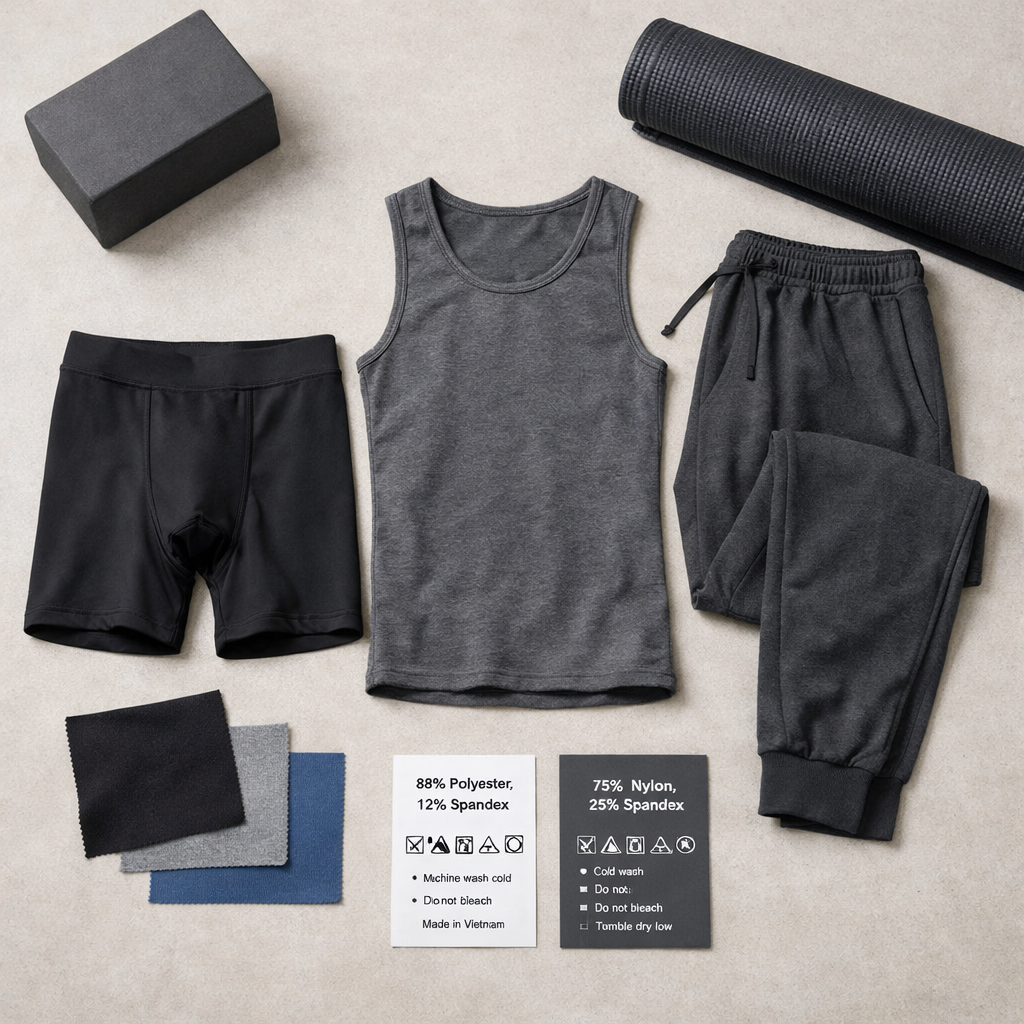
Struggling to Find Men’s Yoga Brands? Our Fit and Fabric Guide
Finding men’s yoga clothing that fits, moves, and lasts shouldn’t be hard—but limited selection, inconsistent sizing, and vague fabric claims often make it a chore. This guide breaks down fit, fabric, and sustainability so you can zero in on the best men’s yoga brands, sustainable activewear, organic workout clothes, men’s yoga pants, and hot yoga clothes without guesswork. Interest is surging—searches for men’s yoga wear rose 50%, Pilates apparel 60%, and hot yoga ~30%, signaling higher expectations for sweat-ready performance and practice-specific choices, according to a 2026 yoga apparel market analysis. See: 2026 yoga apparel market analysis (smbsports.com).
Moisture-wicking describes a fabric’s ability to pull sweat from your skin to the material’s outer surface so it evaporates faster. By moving moisture away, it helps you stay drier and reduces cling and post-class chills, keeping body temperature steadier during and after practice.
Why men struggle to find the right yoga clothing
The root problem is a tangle of mismatched fits, fuzzy fabric specs, and a limited in-store assortment. Data shows return rates jumped 37% in 2025 and 62% of men reported dissatisfaction with at least one aspect of their yoga apparel, per a 2025 men’s yoga clothing review. See: 2025 men’s yoga clothing review (manzilspice.com).
The market has expanded, but it’s fragmented—global giants, premium labels, and DTC startups all push similar claims, which blurs choice and erodes confidence. Fragmented market means many players offer similar products with no single dominant leader, making comparisons difficult. As practice needs diverge, the differences matter: hot classes demand quick-dry, high-opacity coverage, while restorative styles feel best in softer, thermoregulating textiles, as highlighted in recent technical trend analyses. Look for brands that publish precise size charts and fabric tests; The Yoga Republic does this to reduce guesswork.
How to choose fit by practice style
- Power/Vinyasa/Ashtanga: Choose a slim or close fit to minimize billowing fabric and help with alignment. This includes men’s yoga leggings (tights) or slim joggers.
- Restorative/Yin/Yoga Nidra: Opt for relaxed silhouettes for comfort; interest in Yoga Nidra doubled year over year in recent trend reports.
- Hot yoga: Prioritize secure waistbands, light yet opaque fabrics, and quick-dry finishes. Yoga shorts for men with liners or compression tights can add confidence.
- If you’re split on men’s yoga leggings vs joggers, align with your primary class style and mobility needs.
Fit and fabric at a glance:
| Fit Type | Best For | Key Features | Typical Fabrics |
|---|---|---|---|
| Tights/Leggings (slim) | Power, Ashtanga, Hot | Four-way stretch, flatlock seams, stay-put waist | Polyester/spandex or nylon/spandex for wicking |
| Slim Joggers | Vinyasa, studio-to-street | Tapered leg, gusset, secure drawcord | Nylon/poly blends with elastane |
| Relaxed Joggers/Pants | Restorative, Yin, commute | Soft hand, breathable, roomy knee articulation | Organic cotton blends or bamboo with elastane |
| Lined Shorts | Hot yoga, cross-training | Quick-dry shell, supportive liner | Recycled polyester with spandex |
As many brand guides note, look for four-way stretch, flat seams, and gussets to support dynamic movement. See: movement-friendly construction guidance (baleaf.com). For the best yoga pants for men, breathable stretch blends—like polyester/spandex for sweat or cotton-rich blends for comfort—remain dependable recommendations. See: men’s yoga pants guide (oreateai.com).
Essential fit features for comfort and mobility
Four-way stretch supports multi-plane movement; flatlock seams reduce skin friction for long flows. Prioritize both. A gusseted crotch allows deeper squats and lunges without seam stress, while articulated knees or tapered cuffs keep fabric from bunching in transitions.
Seamless (circular) knitting can work well for second-skin comfort. Definition: Seamless technology uses circular knitting machines to create garments without traditional seams, reducing friction points and often integrating zoned compression and ventilation where your body needs it most. Just note: compression is not universally helpful. Poorly placed or overly firm zones can restrict forward folds and twists; favor mapped stretch and light support over aggressive compression, especially for long practices.
Fabric fundamentals for men’s yoga wear
Most men’s yoga apparel uses familiar fiber families—cotton, polyester, nylon, and spandex blends—each tuned for stretch and durability. See: yoga clothing market report (introspectivemarketresearch.com). Opacity is a fabric’s ability to stay non-transparent under stretch or sweat; higher opacity prevents show-through in deep bends and heated studios. Some labels now share wet-opacity and stretch data on product pages; The Yoga Republic includes both for clarity.
Buyer priorities to scan for:
- Moisture-wicking and quick-dry performance
- Breathability (mesh mapping, laser perforations)
- Odor control (antimicrobial finishes; verify care instructions)
- Durability and pilling resistance
- Reliable opacity when wet
For yoga pants, breathable stretch blends like polyester/spandex manage sweat, while cotton blends feel plush in gentle classes. See: men’s yoga pants guide (oreateai.com).
Fabric quick-picks:
- High-sweat classes: recycled polyester/spandex with mesh or laser-cut ventilation.
- Everyday/restorative: organic cotton or bamboo-rich blends with a touch of elastane.
- Odor control: seek antimicrobial finishes; balance freshness claims with proper wash care.
Hot class fabrics versus gentle practice fabrics
| Sweat Level / Class Type | Ideal Fabrics | Key Features | Typical Silhouettes |
|---|---|---|---|
| Hot/Power | Light, tightly knit recycled polyester/spandex | Quick-dry, high opacity (wet test), bonded or flat seams, ventilation mapping | Tights, lined shorts, slim joggers |
| Gentle/Restorative | Soft organic cotton or bamboo with elastane | Thermal comfort, soft hand, moderate stretch | Relaxed joggers, soft long-sleeves |
With hot yoga interest up roughly 30% in recent analyses, prioritize maximum moisture management to avoid cling or translucency. For restorative (with Yoga Nidra interest up ~100%), look for brushed, cozy tops and relaxed pants that move without squeezing.
Sustainability without compromise
Recycled polyester is PET plastic reprocessed into new yarns, reducing virgin petroleum use. Organic cotton is grown without synthetic pesticides and typically with more responsible soil and water practices. Brands increasingly mix natural and recycled fibers to balance comfort, durability, and impact.
How to verify eco claims:
- Transparent fabric percentages and sourcing details
- Evidence of durability (abrasion/pilling tests, stretch-recovery notes)
- Clear PFAS-free or water-repellent claims supported by certifications when applicable
Balance sustainability with longevity and real-use performance. In a fragmented market, transparent testing and clear labeling are meaningful differentiators. The Yoga Republic lists fabric percentages alongside stretch and opacity guidance to make trade-offs clear.
Price versus performance
The yoga clothing category is projected to reach about USD 65.6B by 2032, reflecting robust competition and steady innovation. See: market projection to USD 65.6B by 2032 (finance.yahoo.com). Not every feature is worth a premium: independent testing in one 2025 review showed some “temperature regulation” textiles delivering less than a 1.5°C difference versus standard fabrics—small enough to prioritize proven moisture management, durability, and fit instead. The same review noted returns spike when expectations outpace actual use; align features with your practice rather than marketing superlatives. At The Yoga Republic, we focus on the features that matter in class: fit, durability, and moisture management.
Value checklist:
- Mid-range pieces often nail the essentials
- Inspect stitching density, flatlock finish, and seam placement
- Test stretch recovery and squat/wet opacity
- Choose features that match your sweat level and class style
Size, rise, and waistband guidance
Waistband options include wide elastic and drawstrings; both should stay put during inversions and transitions. A mid-rise provides coverage without digging, and hems should avoid ankle pooling to reduce distraction in balances.
Quick sizing flow:
- Measure true waist and hip; use a movement-based size guide (squat/lunge checks).
- Between sizes? For hot/power classes, go slimmer for stability. For restorative, choose a relaxed fit for comfort.
- Remember: poor fit drives returns; four-way stretch and a secure waist help maintain range without constant adjustment. Use a movement-based size tool like The Yoga Republic’s size calculator if you’re unsure.
Layering for commute, studio, and recovery
Adopt a simple three-layer system:
- Base: moisture-wicking tee or tank for hot classes; soft long-sleeve for gentle practices.
- Mid: light, breathable hoodie or zip for pre/post warmth.
- Bottoms: joggers over tights for commute; shed to shorts or tights for class.
Bag checklist: quick-dry top, breathable shorts or tights, lightweight layer, towel for hot yoga. Many modern men’s yoga bottoms are designed to transition cleanly from practice to post-class coffee. See: style trends in men’s yoga wear (yogamasti.co.uk).
Care and longevity tips for sustainable wear
- Wash cold on gentle; avoid fabric softeners that inhibit wicking.
- Air dry to preserve elastane and reduce energy; tumble low only if needed.
- Turn garments inside-out; use a microfilter bag for synthetics to reduce micro-shedding.
- Periodically check stretch recovery, seam integrity, and wet opacity to retire pieces responsibly.
The Yoga Republic’s fit and fabric philosophy
At The Yoga Republic, we design from the fabric up and map fit to movement:
- Fabric-first selection: organic and recycled blends chosen for breathability, opacity, and comfort in motion.
- Movement-led construction: four-way stretch, flatlock seams, and waistbands that stay secure through inversions.
- Radical clarity: fabric percentages, stretch ratings, and wet-opacity guidance to reduce returns and build trust in a growing men’s segment.
Explore our Practice Style Fit Finder, Hot vs Gentle Fabric Picker, and size calculator aligned to movement cues at The Yoga Republic (theyogarepublic.com).
Frequently asked questions
What should men wear to a first yoga class?
Choose a breathable, moisture-wicking tee and secure-waist shorts or joggers; avoid overly loose pieces that catch in transitions. The Yoga Republic designs basics that stay put and layer cleanly.
Are joggers or tights better for yoga?
For dynamic flows, tights or slim joggers reduce excess fabric and stay put; for restorative sessions, relaxed joggers prioritize comfort. The Yoga Republic’s fit guidance maps each cut to class style.
What fabrics are best for hot yoga?
Lightweight, quick-dry blends with high opacity and ventilation—such as polyester/spandex with mesh or perforations—manage sweat and help prevent cling or show-through in heat. The Yoga Republic publishes wet-opacity guidance for hot classes.
How should men’s yoga pants fit at the waist and length?
A mid-rise, secure waistband that doesn’t roll in inversions is ideal, with a length that avoids ankle pooling while allowing full range of motion. The Yoga Republic’s size calculator helps dial in rise and length.
How do I evaluate sustainable yoga clothing claims?
Look for clear fabric percentages, verified sourcing, durability testing, and practical care guidance; favor brands that share stretch-recovery and opacity results along with eco credentials. The Yoga Republic publishes stretch-recovery and opacity notes alongside eco credentials.