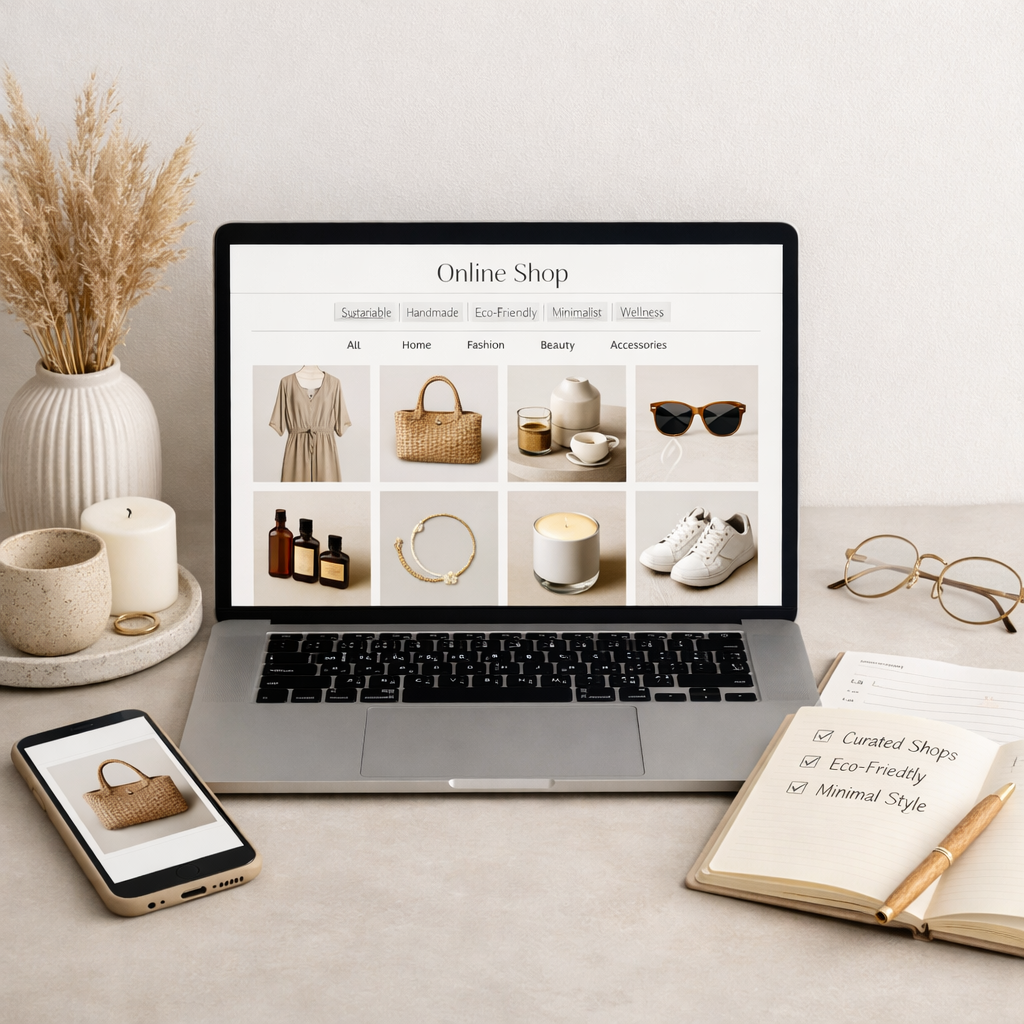
How To Find Curated Lifestyle Brands Online Without Overwhelm
Feeling buried by options? Here’s a calm, repeatable method for how to find curated lifestyle brands online without overwhelm. Start with a three-item values checklist to filter the noise, enter through editorial storefronts (not endless catalogs), and let smart discovery tools do the heavy lifting. Validate picks with lightweight social listening and test fit with small commitments before you buy—then sustain the habit with a 15‑minute weekly routine. Each step mirrors how we guide progress at The Yoga Republic: clear leveling, hybrid access, and accountability—so every choice serves your lifestyle aesthetic with less friction and more confidence.
Start with a three-item values checklist
Clarity cuts clutter. Define three non‑negotiables—think sustainability standards, yoga‑first fit, and a clear price range—so both algorithms and humans can filter for you. A tight values checklist narrows options immediately and improves recommendation relevance, echoing research that stresses narrowing scope and using explicit signals for meaningful curation (see Zigpoll’s curation research).
Values checklist: a 3‑item filter you set before shopping—fabric ethics, functional fit, and budget are common anchors. It turns aimless browsing into goal‑based discovery, helps you compare like‑for‑like, and keeps sessions under 10–15 minutes.
Sample items to consider:
- Sustainable materials
- Ethical sourcing
- Fair Trade or GOTS certifications
- Community‑led design
- Inclusive sizing
- Mobility‑friendly cuts
- Price band
- Return policy
Trust signals worth verifying up front: published sourcing origins, labor conditions, environmental reports, and third‑party certifications such as Fair Trade or GOTS (Zigpoll’s curation research).
Quick planner: Nice‑to‑have vs Non‑negotiable
| Category | Non‑negotiable example | Nice‑to‑have example |
|---|---|---|
| Materials | GOTS‑certified organic cotton | Recycled trims or low‑impact dyes |
| Fit | Inclusive sizing, mobility‑friendly | Petite/tall variants or adaptive features |
| Price | Under $120 per core piece | Seasonal promos or loyalty credits |
Choose curated entry points, not endless catalogs
Skip the infinite scroll. Start with human‑curated hubs that package context, styling, and related products so decisions are faster and calmer. Editorial storefronts, brand blogs, and boutique marketplaces replicate in‑store discovery by blending guidance with product context (see Vervaunt on ecommerce brands with blogs).
Editorial storefront: a content‑forward shopping hub—often a blog, lookbook, or styled landing—that frames products with use cases and related picks, enabling more confident selections than bare grids.
Why it works:
- “Complete‑the‑look” or “How to Wear It” modules show styled outfitting, helping you picture an item in your life and boosting confidence (Stylitics’ retail experience examples).
- Brand blogs and lookbooks connect trends, values, and practical styling in one place, so you evaluate fewer, better options.
Examples of curated entry points:
- The Sports Edit blends curated activewear with an editorial blog that builds community and guidance (Vervaunt on ecommerce brands with blogs).
- Glossier’s Into The Gloss demonstrates how editorial content and linking strengthen discovery relevance (Vervaunt on ecommerce brands with blogs).
- Top retailers scale inspiration with styled, shoppable looks on product pages (Stylitics’ retail experience examples).
Use smart search and filters to narrow fast
Let modern discovery do the heavy lifting. Prioritize platforms with semantic search, type‑ahead, personalization, and recommendations—capabilities Gartner lists as core to effective product discovery (Gartner on product discovery). This mirrors how we structure class discovery at The Yoga Republic: clear filters first, then helpful suggestions you can accept or ignore.
Blend approaches for speed and fit:
- Combine rule‑based filters (price, size, material) with algorithmic recommendations and curated bundles—discovery works best when rule‑based, curated, and algorithmic merchandising complement one another (Gartner on product discovery).
- Favor visual outfitting and smart bundling; predictive cross‑sells often surface ready‑to‑wear sets that clarify fit and increase decision confidence (Stylitics’ retail experience examples).
Four‑step micro‑flow (5 minutes):
- Enter 1–2 intent keywords (e.g., “GOTS yoga leggings”).
- Apply two filters from your values checklist (e.g., fabric + price).
- Scan type‑ahead suggestions to refine phrasing.
- Open three promising product pages with “complete‑the‑look” to compare.
Verify social proof with mindful listening
Social signals can reveal authenticity and niche alignment—use them thoughtfully to separate hype from genuinely curated brands. Creator marketplaces and social listening scale discovery: Aspire’s Creator Marketplace delivered 200+ qualified creator applications quickly and led to 2,700+ posts generating ~40 million impressions, signaling authentic distribution at speed (Aspire’s Creator Marketplace case study).
Practical tactics:
- Reverse‑image aesthetic matching: drop a mood‑board or reference image into search to find creators and brands that mirror your visual style (Aspire’s Creator Marketplace case study).
- Scan niche hashtags and platform trends for community‑relevant products; prioritize creators who sustain meaningful engagement over time (Zigpoll’s curation research).
- Look for UGC that reflects real use, not just polished ads; favor community validation signals tied to social commerce (saves, replies, repeat mentions).
Social listening: monitoring hashtags, comments, and creator posts to understand sentiment, recurring pain points, and aesthetic trends—validating brand fit beyond paid media.
Test fit with small commitments before you buy
Reduce risk with micro‑tests. A three‑question poll or micro‑survey can validate interest before you purchase; targeted surveys routinely surface actionable insights for curated collections (Zigpoll’s curation research). Brands cut risk with iterative testing—monadic tests for flavors/packaging and concept tests for new formats speed learning (Suzy’s market research examples). Walmart, for example, validated an immersive retail concept via iterative research to guide rollout (Suzy’s market research examples).
Try these:
- Join a waitlist to gauge demand and timing.
- Order a sample size or single hero piece before a full kit.
- Run a landing‑page smoke test to measure click‑through and email signups.
One‑week wear test checklist:
- Comfort during movement and breathability
- Wash durability and colorfastness
- Fit retention after activity and laundering
- Versatility across home–studio–work scenarios
Make it sustainable with a simple weekly routine
Consistency beats intensity. A brief cadence preserves clarity and prevents clutter.
15‑minute weekly rhythm:
- 5 minutes: Revisit your values checklist; adjust one item if needed.
- 5 minutes: Scan one editorial hub or brand blog for styled context.
- 5 minutes: Save 1–2 short‑listed items with notes on why they fit.
Monthly review:
- Archive pieces that underperformed; note repeat wins.
- Refine filters (sizes, fabrics, budget) based on actual wear data.
Mindful tech use: Personalization should learn with your feedback—update likes/dislikes so AI remains a helper, not the only filter (Courtyard VC on organized, personalized choice).
Digital declutter: a recurring practice of pruning saved lists, unsubscribing from noisy feeds, and updating filters so every session starts focused—reducing decision fatigue over time. Our members use a similar cadence to keep practice consistent at The Yoga Republic.
How The Yoga Republic simplifies curation for your wellness life
Apply the same curation method to your practice. Start with three wellness values—focus (stress relief, mobility, strength), preferred access (in‑studio, livestream, on‑demand), and session length—then follow our progression‑based curriculum that clearly tracks levels from beginner to advanced with consistent sequencing and safety. You always know the next step.
Integrated recovery and accountability:
- Mobility, yin, and breathwork complement stronger flows for balanced training.
- Small class caps and member check‑ins support form coaching and habit‑building.
Curated entry points in our ecosystem:
- Beginner tracks for new or returning practitioners
- Workshop intensives and series for targeted skills
- Livestream sessions and our on‑demand library for hybrid access on tight schedules
Try this five‑step flow:
- Pick your three wellness values.
- Start with a beginner track or a mobility/restorative block.
- Use class filters (level, duration, focus) to personalize the plan.
- Sample a livestream to test pacing and coaching style.
- Book one in‑studio check‑in for accountability and form feedback.
Frequently asked questions
How do I find brands that match my personal style without scrolling for hours
Start with a three‑item values checklist, then go straight to editorial storefronts and brand blogs for styled context; use semantic search and “complete‑the‑look” modules to refine quickly. This is the same calm, structured flow we use at The Yoga Republic.
What signals show a curated brand is trustworthy
Look for sourcing origins, labor conditions, and environmental reports, plus third‑party certifications like Fair Trade or GOTS. Consistent educational/editorial content and QR‑code traceability add proof.
Signal vs Proof
| Signal | Proof example |
|---|---|
| Certifications | Fair Trade, GOTS |
| Reports | Annual impact or supplier audits |
| Traceability | QR code detailing product lifecycle |
| Editorial | Regular, transparent guidance and how‑tos |
Which tools help personalize discovery without creating echo chambers
Choose platforms with semantic search, type‑ahead, and blended merchandising, and keep AI open by updating preferences. At The Yoga Republic, we pair clear filters with opt‑in personalization so you stay in control.
How can I tell if influencer recommendations are authentic
Check creator‑audience fit and engagement quality over time, and use reverse‑image matching to confirm aesthetic alignment. We prioritize creators who show real use and sustained community trust.
How do I build a cohesive lifestyle kit that I will actually use
Start with a 6–8 item capsule guided by your values that flexes across home–studio–work. Assemble via styled pages, then run a one‑week wear test and a monthly review—mirroring our small, consistent progress approach at The Yoga Republic.