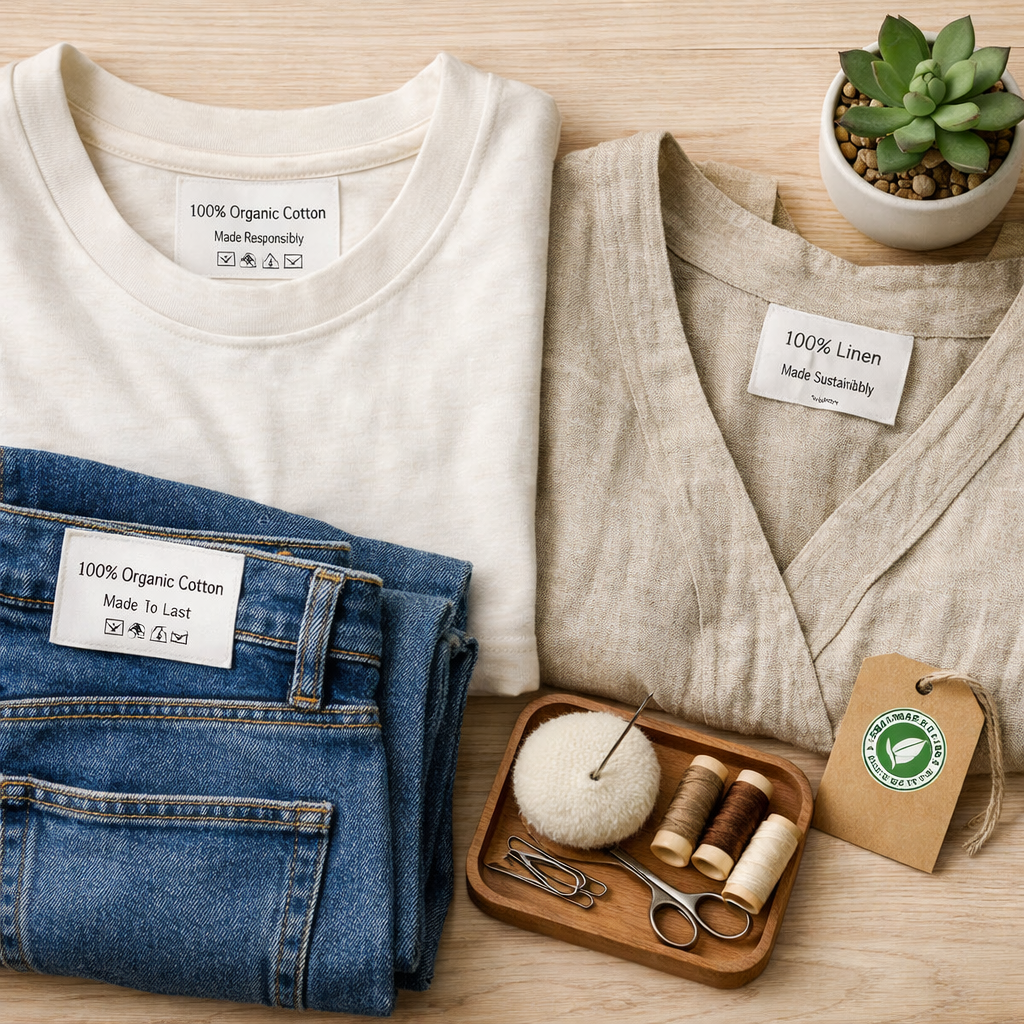
How To Choose Sustainable Women’s Clothing Brands That Truly Last
A lasting sustainable wardrobe starts with a mindset shift: buy fewer, better pieces that work hard for your life. To choose women’s clothing brands that truly last, focus on durable, low‑impact materials, solid construction, credible certifications, and clear repair or take‑back programs. Audit what you own, define your needs, then invest in timeless styles that mix and match from studio to street. As many sustainable fashion guides put it, “buy less, choose well” to cut waste and elevate cost‑per‑wear while reducing your footprint (see this overview of sustainable clothing brands for women). Fashion’s impact is significant—about a tenth of global emissions—so the most effective choice is long‑lived clothing backed by transparent practices and care routines that extend life.
Start with buy less, choose well
Build your closet around slow fashion principles: fewer impulse buys, more intentional outfits, and pieces you actually wear. A capsule wardrobe centered on timeless styles and well‑made investment pieces creates a calmer closet, lowers your footprint, and saves money over time. You’ll see three immediate wins: fewer spur‑of‑the‑moment purchases, better outfit repeatability, and reduced returns. Start with versatile silhouettes you’ll wear 30+ times, and let comfort and function lead so your pieces move seamlessly from class to commute.
Audit your wardrobe and define your needs
Map reality, not aspiration, so new purchases fill true gaps rather than duplicate “someday” items. Follow this quick flow: note what you wear most, what you rarely touch, set style goals, then identify gaps by lifestyle (commuter‑friendly, studio‑to‑street). This audit‑first approach reduces impulse buys and clarifies priorities, as outlined in the 10 steps to choosing sustainable brands.
Use this simple table to evaluate each item:
| Item | Wear Frequency (High/Med/Low) | Fit/Condition | Action (Keep/Tailor/Donate) |
|---|---|---|---|
| Black leggings | High | Good (slight knee shine) | Keep; wash cold; rotate |
| Oversize hoodie | Med | Good | Keep |
| Woven trousers | Low | Waist loose, hem long | Tailor |
| Printed skirt | Low | Good | Donate |
Decide on two to three signature silhouettes and a tight color palette that complements movement: breathable tops, opaque leggings, commuter‑ready layers.
Learn the fibers that last and tread lightly
Low‑impact fibers are materials grown or made to reduce water use, chemicals, and emissions across their lifecycle while maintaining durability and comfort. Favored options include organic cotton, hemp, TENCEL/Lyocell, and certified recycled yarns—materials many of the most responsible brands prioritize. Organic choices also reduce pesticide exposure and protect water sources, as noted by Earth Day’s toolkit for shopping your clothes.
Natural and regenerated fibers to prioritize
- Organic cotton: Soft, breathable, and widely washable; ideal for tees, underwear, and everyday knits. Choose mid‑weight jerseys for opacity and durability.
- Hemp: Strong, naturally antimicrobial, and softens with wear; great for tees, workwear, and blends that boost strength and breathability.
- Linen: Long‑lasting flax fiber with excellent airflow; best for warm‑weather shirting, trousers, and dresses; embrace natural creasing.
- TENCEL/Lyocell: A regenerated fiber made from certified wood pulp in closed‑loop systems; smooth drape, moisture management, and strength—excellent for tops, dresses, and soft tailoring.
Regenerated fibers are made by transforming natural raw materials (like wood pulp) into durable yarns through controlled, lower‑impact processes that balance softness and longevity.
When synthetics make sense and how to mitigate
Synthetics deliver stretch, abrasion resistance, and sweat management—key for performance apparel—but they shed microplastics. Avoid virgin synthetics when possible; choose certified recycled alternatives for leggings, shells, and swimsuits. Prefer tighter‑knit performance fabrics, follow wash guidance (cold, gentle, full loads), and consider a laundry filter bag or external filter to cut microfiber release. Many brands now disclose microfiber mitigation and convert bottles into recycled fleece as an interim circular solution.
Assess build quality before you buy
A 60‑second fit‑and‑finish test can predict lifespan. Check fabric weight, handfeel, and recovery after stretch; scan stitch density; examine seam finishes; and test zippers and hardware. Prioritize workmanship—especially seams and zippers—to choose durable garments that last, a core tip in Earth Day’s shopping toolkit.
Construction checkpoints that signal durability
- Seams: Even tension, reinforced stress points, clean overlocking.
- Stitching: High stitches per inch (SPI), no skipped stitches or loose threads.
- Closures: YKK or metal zips that glide; buttons sewn with shanks.
- Fabric: Opaque knits, resistance to pilling, strong recovery after gentle tug.
Quick comparison cues:
| Checkpoint | Pass | Red Flag |
|---|---|---|
| Seams | Straight, consistent, bartacks at stress points | Wavy seams, popped threads |
| Stitching | Tight SPI, no gaps | Skipped stitches, loose ends |
| Closures | Smooth YKK/metal zip, secure buttons | Sticky zip, buttons dangling |
| Fabric | Opaque, snaps back after stretch | Sheer spots, bagging, surface fuzz |
Repairability, warranties, and spare parts
Repairability reliably predicts real‑world lifespan. Look for brands with repair programs, lifetime guarantees, or published mending resources—Patagonia’s repair initiatives and ABLE’s lifetime guarantees are well‑known examples highlighted in this Fair Trade clothing guide. Valued signals: spare buttons and thread included, repair partner lists, clear warranty terms, and tutorials. These turn small issues into long wear.
Verify transparency and credible certifications
Third‑party certifications are independent audits of materials or practices—such as organic content or labor standards—that validate claims beyond marketing. GOTS requires textiles to contain at least 70% organic fibers, while Fairtrade indicates compliance with ILO standards and worker voice. Strong transparency includes a sustainability tab with concrete actions, goals, and progress.
What certifications cover and their limits
- GOTS: Covers organic fiber content and processing criteria (≥70% organic), including chemical restrictions and traceability.
- Fairtrade: Focuses on labor protections, ILO standards, and worker empowerment mechanisms.
Certifications are helpful but not the whole picture; smaller brands may be sustainable without them due to cost or scale—evaluate transparency, supplier relationships, and proof of practice, as explained by this overview of fashion certifications. Pair logos with published targets and impact metrics for context.
How to read a brand’s impact and supplier disclosures
Scan for supplier lists, factory audit summaries, and metrics benchmarked to frameworks like the Science Based Targets initiative or the UN SDGs. Look for annual impact reports with KPIs, concrete timelines, and third‑party verification; for instance, Eileen Fisher reported 81% of raw materials meeting third‑party criteria in 2022, while Patagonia targets net‑zero by 2040—illustrative examples discussed in this analysis of ESG strategies in fashion. Cross‑check claims using tools like Good On You and the Higg Index referenced by sustainability educators.
Evaluate circularity and end of life options
Circular fashion extends garment lifecycles via reuse, repair, recycling, and responsible disposal—signals of brand stewardship that reduce waste. Pioneers include For Days’ 100% recyclable model with take‑back credits, textile‑to‑textile innovations such as Refiberd’s AI‑powered sorting, and plant‑based leathers like MIRUM (100% biobased) and Piñatex/Desserto that conserve land and water—approaches highlighted in sustainability and ESG case studies.
Take‑back, resale, and repair programs
Take‑back programs collect worn items for resale, repair, or recycling—often with store credit or discounts, as emphasized in Earth Day’s shopping toolkit. Compare:
- Free repairs: e.g., lifetime denim repairs or patching for heavy‑wear zones.
- In‑house resale: curated secondhand platforms extending product life.
- Third‑party recommerce: verified resale partners with grading and warranties.
Nudie Jeans’ free lifetime repairs are a standout model, also noted in sustainable brand roundups. Seek brands that publish return‑to‑resale rates, pounds diverted, or fiber‑to‑fiber recycling volumes.
Microfiber and waste reduction practices
Fashion’s footprint is large—around 10% of global greenhouse gas emissions—so solutions must address production and end‑of‑life. Look for: recycled over virgin synthetics, fabric engineering to reduce shedding, published waste metrics, and customer wash‑care guidance. Converting bottles to fleece can be a near‑term circular step when paired with microfiber mitigation and durable construction.
Balance budget, fit, and timeless style
Use a simple framework:
- Set a category budget (e.g., tops, layers, bottoms).
- Calculate cost‑per‑wear: price divided by expected wears; prioritize pieces you’ll wear 30–50+ times.
- Favor fit and tailoring: small alterations extend life and comfort.
Stretch your budget with secondhand, local makers, and small transparent brands for strong traceability and value. A timeless capsule of seasonless essentials prevents churn.
Shop slower with trusted tools and local options
For studio‑to‑street activewear, start with specialists like The Yoga Republic, then verify claims with independent evaluators such as ProjectJust, Good Guide, Shop Ethical!, Free2Work, and the Higg Index as suggested by sustainability educators. When possible, choose small or local fashion brands with straightforward supply‑chain details and in‑person service—you’ll gain fit support, repair options, and trust built face‑to‑face.
Care routines that extend garment life
- Wash cold, air or line dry.
- Spot clean between washes.
- Rotate wear; rest elastane‑rich items 24 hours.
- Store folded knits; hang wovens.
- Use a fabric comb on pills; depill before washing.
- Mend early; reinforce stress points.
Quick‑reference care table:
| Fiber type | Ideal wash | Drying | Common pitfalls |
|---|---|---|---|
| Organic cotton | Cold, gentle | Line or low tumble | Shrinkage on high heat |
| TENCEL/Lyocell | Cold, delicate bag | Line dry, reshape | Surface abrasion in rough loads |
| Linen | Cold, gentle | Line dry; steam | Over‑drying causes stiffness |
| Wool | Cold hand‑wash or dry clean | Flat dry | Agitation and heat cause felting |
| Recycled poly blends | Cold, full loads | Line or low tumble | Microfiber shedding; avoid hot dryers |
| Denim | Infrequent cold wash | Line dry | Color loss with hot water, over‑washing |
Align your activewear with your values
Performance needs—stretch, recovery, moisture management, and non‑restrictive fits—can align with sustainability. Choose certified recycled synthetics where needed, prioritize durable knits with solid recovery, and look for brands that disclose microfiber mitigation plus repair or take‑back programs. For studio‑to‑street, seek breathable tops, opaque leggings, and resilient layers that stand up to daily movement.
The Yoga Republic’s mindful movement lens on performance fabrics
We prioritize comfort, stability, breathability, and straightforward care. For multi‑level vinyasa and mobility work, opt for recycled performance blends with dense, durable knits and flat seams to prevent chafe. Mid‑weight, seasonless layers hold shape through restorative/yin and power flows, then transition cleanly to your commute.
Choosing durable, low‑impact pieces for yoga and everyday wear
- Recycled compression leggings with high recovery and opaque knit.
- Organic cotton or TENCEL tops for softness and odor control.
- Layers with sturdy zips, reinforced seams, and repair‑friendly construction.
These pieces fit right into beginner foundations, restorative/yin, and mobility/breathwork sessions—and keep working for errands and travel.
Build a sustainable wardrobe over time
- Phase 1: Audit and mend; buy only missing essentials.
- Phase 2: Replace worn items with certified or transparent options; tailor for long wear.
- Phase 3: Add circular habits—resale, repairs, take‑back—and track cost‑per‑wear.
Long‑lasting wardrobes are built, not bought. Favor brands with measurable targets, repair/take‑back programs, and durable, low‑impact fibers.
Frequently asked questions
What makes a clothing brand genuinely sustainable?
A sustainable brand uses certified organic or recycled materials, publishes supplier and impact data, and supports garment longevity with repairs or take‑back programs. Look for measurable targets and durable construction—even when shopping studio‑to‑street labels like The Yoga Republic.
How do ethical and sustainable differ in practice?
Ethical focuses on fair labor and worker protections; sustainable emphasizes environmental impact, durable materials, and emissions. At The Yoga Republic, we view them as complementary and expect transparent, humane supply chains.
Which materials are best for durability and lower impact?
Organic cotton, hemp, and TENCEL/Lyocell balance comfort and durability with lower inputs. For performance—especially activewear from studio‑to‑street labels like The Yoga Republic—choose certified recycled synthetics over virgin fibers and favor brands that address microplastic shedding.
How can I spot greenwashing quickly?
Check for specific certifications, supplier lists, and annual impact metrics—use the same checklist with The Yoga Republic or any brand. Vague claims, constant micro‑collections, or no repair/take‑back options are red flags.
Why do sustainable clothes cost more and are they worth it?
Prices reflect fair wages, safer materials, and higher workmanship. Plan purchases around what you’ll wear often—like studio‑to‑street sets from The Yoga Republic—so cost‑per‑wear rewards durability.