How to Choose Shoes That Won’t Hurt Your Feet
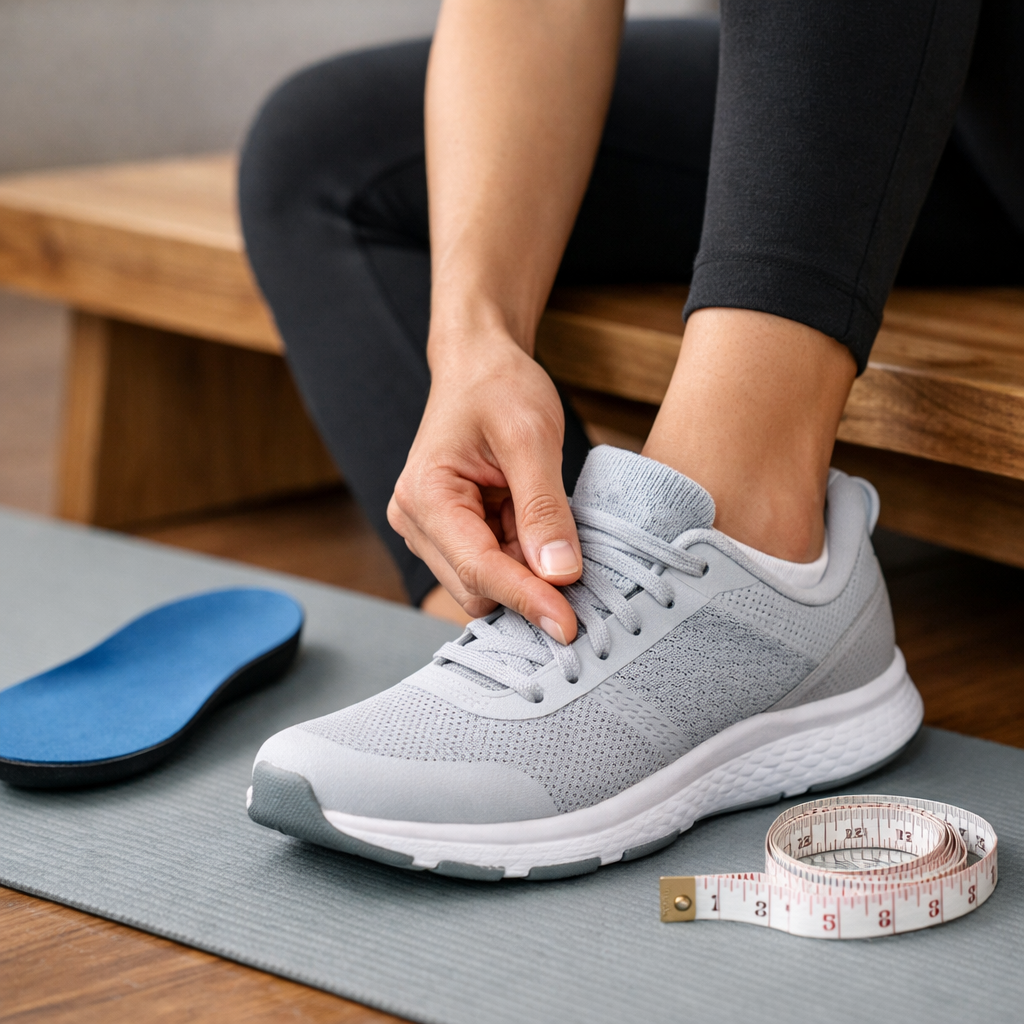
The fastest way to choose women’s shoes that won’t hurt your feet is to match your foot shape and gait to the right features, then confirm instant comfort with a short fit test. Look for a roomy toe box, secure heel counter, appropriate arch support, and cushioning that suits your activity. Shoes should bend at the ball of your foot (not the arch), feel stable under the heel, and fit with the socks and orthotics you actually wear. Use the step-by-step checks below to quickly screen options—online or in-store—and build supportive habits that keep your feet happy all day.
Start with your foot shape and gait
Foot shape refers to the structural outline of your feet—length, width, arch height, and toe alignment. It dictates where pressure accumulates and how your toes splay inside a shoe. When shoes mirror your natural shape, they reduce friction, hotspots, and crowding that can lead to pain over time.
Gait describes how your foot moves from heel strike to toe-off, including how much you pronate or supinate and where you bear load. Matching footwear to your movement reduces stress on joints and soft tissues. Proper arch support, a stable heel counter, and a roomy toe box help minimize pressure and friction, according to podiatric guidance on shoe comfort (Pivotal Foot & Ankle).
Quick matches:
- Low arches/pronation: choose a firmer heel counter and midfoot stability to limit excess inward roll.
- High arches/supination: prioritize forefoot and midsole cushioning to soften impact.
- Wide forefoot/toe splay: pick a wide, deep toe box to reduce bunion and hammertoe risk (Natural Footgear).
Pronation vs. supination: Pronation is the natural inward roll that helps absorb shock; supination is the outward roll that can increase lateral loading. Too much pronation benefits from stability (firm heel and midfoot support). Supination often feels better with more cushioning and a stable, grippy platform. Aim for a balanced feel rather than forcing “perfect” alignment.
Match the shoe to your activity
Different activities load the foot in different ways. If you train for a specific sport three or more times per week, wear sport-specific shoes to get purpose-built support, traction, and durability (FootCareMD).
- Walking/running: lightweight, breathable uppers with shock-absorbing soles for repetitive impact (Nirvana Healthcare).
- Hiking/work/standing: durable outsoles, torsional stability, and a bit of extra room for swelling.
- Studio/gym cross-training: flexible forefoot for multidirectional moves, low-profile, grippy outsole.
Quick chooser by activity:
| Activity | Cushioning | Flexibility | Traction/Outsole | Typical Heel Drop |
|---|---|---|---|---|
| Walking | Medium | Forefoot-flexible | Road traction (wet/dry) | Low–medium |
| Running | Medium–high | Forefoot-flexible, stable midfoot | Road/trail-specific tread | Low–medium |
| Hiking | Medium | Moderate (resists torsion) | Lugged for uneven terrain | Low–medium |
| Work/Standing | Medium | Moderate | Durable, slip-resistant | Low |
| Studio/Cross-training | Low–medium | Highly flexible forefoot | Flat, grippy rubber | Low |
Focus on essential comfort features
Comfort should be immediate—your shoes should feel supportive right away, without a break-in period (Pivotal Foot & Ankle). Do a one-minute feature scan:
- Toe box shape: follows your foot, with width/depth for toe splay.
- Heel counter: firm, secure hold.
- Midsole cushioning: matched to activity and comfort.
- Flex point: bends at the ball, not the arch.
- Heel height: modest and stable.
- Upper: breathable materials.
- Insole: removable to fit orthotics.
Toe box fit and toe splay
Choose a wide, deep toe box that mirrors the natural shape of your foot to allow toe splay. This helps reduce pressure on the big toe joint and can lower the risk of bunions and hammertoes (Natural Footgear). For a quick check, pull out the liner and stand on it—your toes and width shouldn’t spill over; you can also compare the shoe to a foot tracing (UMM Health).
Toe box: The front chamber of the shoe that houses your toes. Width and depth matter because cramped spaces compress nerves and blood vessels, restrict natural toe spread, and create friction at the nails and joints. A toe box shaped like your forefoot supports circulation, alignment, and lasting comfort.
Heel counter stability
Pick a shoe with a firm heel counter (the cup around your heel) that grips without slipping when you walk. A stiffer counter can improve control for pronated, flatter feet. Use the squeeze test—press the heel cup; it should feel firm, not floppy. See AAOS shoe fit guidelines for stability cues (AAOS OrthoInfo).
Midsole cushioning and flex point
Choose cushioning by activity and feel; repetitive-impact activities like walking and running typically benefit from shock-absorbing soles (Nirvana Healthcare). Perform the flex test: the shoe should crease at the ball, while the shank supports the arch to prevent over-bending (AAOS OrthoInfo). For replacement, athletic shoes generally last about 300–500 miles before cushioning and support fade (FootCareMD).
Heel height and drop
For daily wear, keep heel heights modest. Very high heels shift weight forward and can strain the forefoot, ankles, knees, and even the spine (Harvard Health). Heel drop is the difference in height between heel and forefoot. Higher drops can ease tension on tight Achilles tendons and calves; lower drops feel more level and may promote a natural stance. Adjust gradually to avoid overload.
Materials, breathability, and traction
Breathable uppers help manage heat and moisture; removable insoles make room for orthotics without crowding (AAOS OrthoInfo). Wear moisture-wicking socks rather than 100% cotton to reduce blisters and friction (RunUnited). Match outsole traction to terrain—inspect lugs and rubber compounds for wet floors, roads, or trail conditions.
Follow a step-by-step fit test
Use this routine in-store or at home with online orders. Comfort must be immediate, free of hot spots or slippage (Pivotal Foot & Ankle; FootCareMD).
- Measure in the afternoon and stand for sizing.
- Try on with your usual socks and orthotics.
- Check length and width, then in-shoe movement.
- Do the flex and twist tests.
- Walk several minutes for real-world comfort.
Measure in the afternoon and fit the larger foot
Shop later in the day when feet are naturally a bit bigger, and measure both feet while standing; choose the size that accommodates the larger foot (UMM Health). Feet change size and shape over time—remeasure periodically to keep sizing current (South Texas Podiatrist).
Bring your usual socks and orthotics
Test with the exact socks or inserts you plan to wear to avoid fit surprises (UMM Health). Removable insoles create space for orthotics while preserving toe room (AAOS OrthoInfo).
Check length, width, and in-shoe movement
Standing, ensure about 3/8"–1/2" (≈1 cm) of space ahead of your longest toe (RunUnited). Confirm natural toe splay and correct width using the insole or a foot tracing comparison (UMM Health).
Do the flex and twist tests
Flex test: the shoe should bend at the ball, not through the arch, indicating proper shank support (AAOS OrthoInfo). Light twist test: a bit of torsion is fine; if you rely on stability, avoid overly floppy midsoles.
Walk test for immediate comfort
Walk several minutes. Your heel should not slip; no pinching or hot spots should appear (FootCareMD). A well-fitting shoe feels supportive right away—no long break-in (Pivotal Foot & Ankle).
Avoid common shoe mistakes
- Narrow, pointed toe boxes compress toes and can promote deformities over time (Natural Footgear).
- Prolonged high-heel wear pushes weight forward and strains joints (Harvard Health).
- Skipping replacements invites pain: watch for smoothed tread, punctures, or asymmetric outsole wear—signs the protective structure is gone (Natural Footgear).
Fine-tune with simple adjustments
- Heel cups can help heel pain (including plantar fasciitis), while metatarsal pads redistribute pressure under the ball of the foot (FootCareMD).
- Use moisture-wicking socks and targeted lacing to offload hot spots; rotate footwear so cushioning can recover between wears (RunUnited; Nirvana Healthcare).
- Small adjustments help, but persistent or worsening pain warrants professional evaluation.
Build supportive habits beyond shoes
Stronger feet, mobile calves, and better balance improve load tolerance and reduce overuse. Progress activity gradually and include recovery days to avoid spikes in stress.
Strength and mobility for healthy feet
Try 2–3 sets, 3–4 times weekly: calf raises, the short-foot drill (gently doming the arch), big-toe extensions, and ankle ABCs. For mobility, add calf stretches, plantar fascia massage, and ankle dorsiflexion rocks. Pair this with The Yoga Republic’s slow flow or mobility classes; an extra-cushioned setup can help during recovery days (see our guide to best meditation mats with extra cushioning).
When to seek professional guidance
Consult a podiatrist or physical therapist for persistent pain, numbness, visible deformity, or recurring injuries despite fit changes. If new shoes consistently cause blisters or hot spots, consider a professional gait or footwear assessment.
How The Yoga Republic supports pain-free movement
Our alignment-first classes build the strength, mobility, and mindful mechanics that complement foot-smart shoe choices and sustainable, pain-free living.
Class variety by level and goal
Choose vinyasa, power, slow flow, yin, restorative, and mobility-focused sessions with clear progressions and alignment cues. Map your goals:
- Foot/ankle stability: mobility + slow flow.
- Posture and balance: vinyasa + meditation.
- Recovery days: yin/restorative.
Hybrid access for consistent practice
Practice anywhere with in-studio sessions, livestreams, and on-demand replays. On long-standing or shoe-shopping days, stack a 10–20 minute mobility session to keep calves and feet fresh.
Qualified, specialty-trained instructors
Train with instructors skilled in functional anatomy, mobility, meditation, prenatal, and trauma-informed options. Expect pain-aware progressions and adaptable, alignment-focused cues.
Inclusive modifications and community programs
We use inclusive sizing, props, and layered modifications—supportive for wide feet, bunions, or plantar fasciitis flare days. Join workshops, challenges, and teacher trainings to deepen skills and community.
Memberships, intro offers, and class packs
Start easily with intro offers, class packs, or monthly memberships. Pair a gentle mobility or restorative plan with any new shoe transition to reduce soreness risk.
Frequently asked questions
How can I tell if I have high, normal, or low arches?
Do a wet footprint test: a full imprint suggests low arches, a narrow band indicates high arches, and a balanced shape is neutral. For accuracy, get a gait analysis or professional fitting; The Yoga Republic’s alignment-focused classes can help you notice how your arches load.
Do I need stability shoes or neutral shoes?
If you pronate more, stability features like a firm heel counter can help; if your gait is neutral or you supinate, neutral shoes with appropriate cushioning usually feel best. When in doubt, test both and walk several minutes; strength and mobility work at The Yoga Republic can improve comfort in either.
How much space should be in front of my toes?
Aim for about 3/8"–1/2" (roughly a finger or thumb’s width) in front of your longest toe while standing. This prevents nail trauma and allows natural toe splay.
When should I replace my shoes?
Replace athletic shoes around 300–500 miles or when cushioning and tread feel flat or look worn. Uneven outsole wear, smoothing, or new aches are signs it’s time; ease transitions with short mobility sessions at The Yoga Republic.
Are minimalist shoes good for foot pain?
Minimalist shoes suit some, but not all; they’re thin and flexible and require gradual adaptation. If you have pain or need support, transition slowly or consult a professional first; gentle mobility work at The Yoga Republic can support a gradual change.