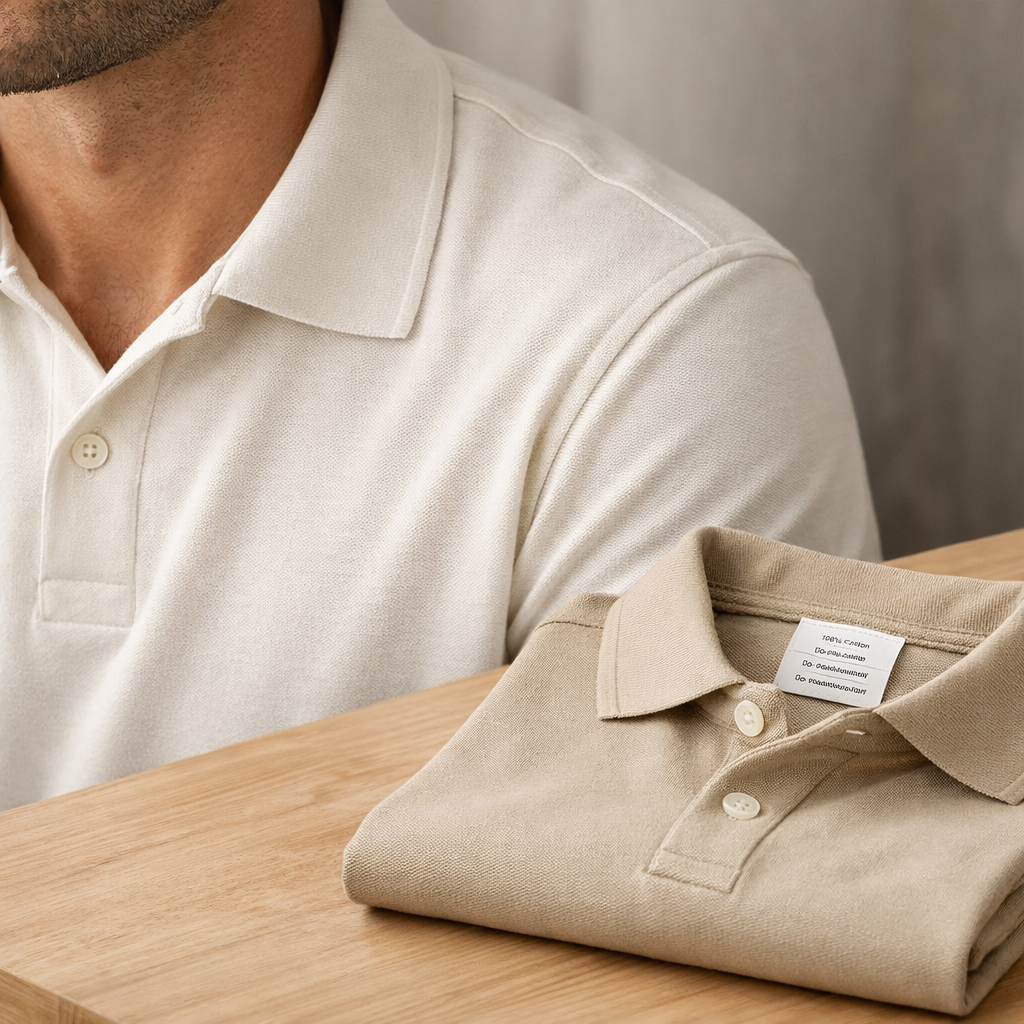
How to Choose Men’s Polos Built for Comfort and Longevity
A great polo should move with you, breathe when things heat up, and handle weekly washes without losing its shape. If you’re after the best performance polo shirt for durability and comfort, start by matching fabric and construction to how you actually live—commuting, training, traveling—then lock in a fit that supports posture and ease. Editors regularly note that clarifying use-case is the fastest route to the right polo, whether you’re aiming for sharp business-casual or gym-to-street versatility, a point echoed by Men’s Health style coverage of top polos for different settings (see the Men’s Health editors’ guide). Thoughtful materials—organic cotton, recycled polyester, and long-staple yarns—plus small build details like taped seams and reinforced plackets, are what make durable men’s polos that feel good day one and year three. That’s the lens we use at The Yoga Republic: movement-first, fabric-second.
Start with use and movement needs
Define purpose first: where and when you’ll wear the polo—commuting, desk-to-studio, golf, hot climates, or travel—so fabric and build match your movement and comfort goals. That clarity keeps you from overbuying and steers you toward breathable polo shirts or tech blends that truly serve the day. It’s the first question we ask at The Yoga Republic.
A quick pairing guide:
| Use-case | Ideal fabrics/knits | Why it works |
|---|---|---|
| Business-casual | Cotton piqué, 180–220 GSM | Structured drape, airflow, polished texture |
| Casual / desk-to-studio | Jersey cotton or cotton–poly blend | Softer handfeel, easy stretch, good recovery |
| Athletic / golf | Polyester–elastane performance knit | Moisture control, quick-dry, mobility |
| Hot climates | Engineered mesh piqué or ventilated blends | Max breathability with shape retention |
| Travel | Cotton–poly or recycled polyester blends | Wrinkle resistance, fast-dry, durable |
Moisture-wicking explained: A moisture-wicking fabric pulls sweat from your skin to the fabric surface to evaporate quickly. This keeps you drier, reduces clamminess, and helps regulate temperature during activity. It’s common in performance polos made with polyester or elastane blends designed for sport and travel comfort (see Visive’s polo guide).
Choose fabric for breathability and wear life
Check composition first. Cotton remains the everyday go-to for breathability, softness, and dependable durability, while blends and tech knits shine for sweat and speed of dry (outlined in Visive’s polo guide and other buyer resources). Comparing GSM (fabric weight) and knit type helps you balance airflow with structure; many performance-leaning piqués use mid-to-heavier weights for a more substantial, long-wearing feel. In practice, The Yoga Republic favors long-staple cottons and recycled-poly blends that balance airflow with structure.
Mini fabric glossary:
- Piqué: Textured knit with tiny waffles for airflow and structure; classic polo handfeel.
- Jersey: Smooth, T‑shirt-like knit with softer drape and stretch.
- Long-staple cotton: Longer fibers spin into stronger, smoother yarns with reduced pilling and better color retention.
- Mercerized cotton: Cotton treated for a subtle sheen, enhanced dye uptake, and improved strength.
- Elastane: Adds stretch and recovery to cotton or polyester for movement and shape retention.
Cotton piqué vs jersey
Piqué’s textured knit improves airflow and lends structure that flatters many builds, including broader frames; jersey is smoother, stretchier, and drapes more like a refined tee (as summarized by Visive’s guide and broader style overviews like Mensfashioner).
Side-by-side at a glance:
- Airflow: Piqué higher; Jersey moderate
- Drape: Piqué structured; Jersey fluid/soft
- Structure: Piqué resists cling; Jersey gently contours
- Ideal settings: Piqué for smart-casual; Jersey for lounge/travel and minimal looks
Premium cottons and long-staple benefits
Premium 100% cotton piqué or Supima (a U.S.-grown long-staple cotton) elevates comfort and longevity—typically softer out of the box and better through repeated washes. Long-staple cotton features longer individual fibers that spin into smoother, stronger yarns. The result is a softer handfeel, reduced pilling, and improved color and shape retention through washing—ideal for polos meant to last and feel premium in daily wear. Look for “Pima/Supima,” “long-staple,” or “mercerized” on labels and consider cost-per-wear over the sticker price.
Performance blends for sweat, stretch, and travel
Performance polos use moisture-wicking polyester or elastane blends built for sport; engineered meshes and venting can make polyester remarkably breathable without sacrificing durability. Checklist:
- Confirm wicking/quick-dry tech and any ventilation zones.
- Test stretch and recovery for travel-friendly polos that won’t bag out.
- Consider cotton–poly blends when you want cotton’s softness plus wrinkle resistance and shape retention.
Sustainable and ethical material choices
Prioritize certified organic cotton, recycled polyester, and brands with traceable supply chains. Smart blends can extend wear life and reduce replacement frequency—an underappreciated sustainability win.
Recycled polyester (rPET) defined: Recycled polyester is produced from post-consumer plastics like bottles. It reduces waste and energy use compared to virgin polyester and can be engineered for moisture-wicking, quick-dry performance. In polos, rPET offers lightweight durability with a smaller footprint when sourced from verified, ethical suppliers. That’s the bar we apply at The Yoga Republic when evaluating materials.
Check construction for long-term durability
Quality construction helps a polo keep its line, resist seam stress, and outlast trend cycles. Look closely at stitching cleanliness, taped shoulders, reinforced plackets, and secure buttons—classic longevity signals detailed in guides like the Gentleman’s Gazette’s polo primer. These fundamentals are also the backbone of The Yoga Republic’s quality checks.
10-second inspection:
- Shoulder seams: smooth, ideally taped
- Placket: firm, evenly stitched, no rippling
- Buttons: cross-stitched and tight
- Buttonholes: clean cut, no loose threads
- Hems: even, with tidy cover-stitching
- Collar: holds shape, not flimsy
Must-have vs nice-to-have details:
| Must-have | Nice-to-have |
|---|---|
| Clean, even stitching | Single-needle seams for refined look |
| Reinforced placket | Mother-of-pearl or horn buttons |
| Secure buttons, neat buttonholes | Spare button included |
| Taped shoulder seams | Locker loop for travel/gym |
| Consistent fabric handfeel | Subtle side vents for mobility |
GSM and fabric density cues
Use fabric weight and knit density as fast quality cues. Heftier piqué often delivers better structure and drape retention, while lighter jerseys or engineered meshes excel in heat and workouts. For versatile daily wear, ~180–220 GSM is a reliable range; many performance piqués around 220 GSM provide a confident, durable hand.
Seams, stitching, and placket reinforcement
Taped shoulder seams help the shirt resist hanger stretch and maintain its line. Single-needle stitching (where used) signals precision, while a reinforced box at the placket’s stress point adds strength. Look for cross-stitched buttons, tidy machine-sewn buttonholes, and an interfaced placket to combat rippling and early wear—all classic quality markers highlighted by the Gentleman’s Gazette.
Collar structure and button quality
A collar with proper interfacing and a firm placket resists curl and stays sharp after washing. High-heat drying is the fastest route to collar curl and shrinkage; air-dry flat or hang on padded hangers, or tumble low and remove promptly. Quick style tip: skip the popped collar for a clean, modern line, a note echoed in practical style guides like Firmenity.
Dial in a fit that supports comfort and mobility
A well-fitted polo should skim the shoulders and hug the torso lightly—no pulling at the chest, no ballooning at the waist—so you can breathe, move, and sit with ease. Avoid oversized polos; excess fabric looks sloppy and often shortens perceived lifespan. During try-on, reach overhead, twist, and sit: the hem should stay put and sleeves remain comfortable.
Shoulder, sleeve, and hem checkpoints
- Shoulders: seams meet your shoulder bone; torso allows a 1–2 inch pinch at the waist for tailored comfort (a common fit cue across buyer guides, including Visive).
- Sleeves: aim for mid-bicep for balanced proportions and mobility, a benchmark echoed in Forbes’ roundup of best polos.
- Hem: lands between mid-zipper and bottom of the crotch to prevent billow or ride-up when moving and sitting.
Slim, regular, and relaxed fits explained
- Slim: close to the body; best for layering and trimmer frames.
- Regular: balanced through chest and waist; the most universally flattering and durable day-to-day choice.
- Relaxed: added ease through chest/waist; great for heat, travel, or broader builds. Apply the pinch test and hem check before sizing up or down to avoid pull lines or bagginess.
Size range transparency and trying on with movement
Check each brand’s size chart and try multiple sizes—measurements vary widely. Do movement tests (reach, rotate, squat) to confirm no chest pulling and a stable hem. Note sleeve opening comfort for bicep flexion and breathability during a short walk. Favor brands with transparent size ranges and easy exchanges to dial fit without waste.
Color and versatility for studio to street
Build a small rotation that pairs with athleisure and casual tailoring. Start with neutrals—navy, black, gray, white—then layer seasonal hues and textures. Use piqué texture to add interest to monochrome outfits and jersey solids for sleek minimalism, an approach long favored in style editor roundups like Men’s Health.
Core neutrals first
Choose 2–3 neutrals for the week to distribute wear and extend lifespan. Navy reads business-casual, gray excels at travel (hides scuffs), and white offers crisp studio-to-street polish.
Seasonal accents and texture
Add one accent per season—sage, rust, coastal blue. Pick piqué for dimensional texture and jersey heathers for a softer, athleisure vibe. Note that harsher softening treatments can hasten color fade; gentler care preserves vibrancy.
Care habits that extend lifespan
With mindful care, a quality polo commonly delivers 2–3 years of regular wear—longer with premium materials and sturdy construction (as many maker guides note). Keep heat low, reshape collars after wash, and store on wide hangers to protect shoulders and reduce collar curl.
Wash, dry, and de-wrinkle guidance
- Wash gentle, inside-out; use cool water.
- Air-dry flat or hang on padded hangers; if machine drying, tumble low and remove promptly.
- Steam on low–medium with a pressing cloth for delicate blends; avoid prolonged heat even on cotton–poly, which resists wrinkles but can still deform with high heat.
Reshaping collars and storage
After washing, smooth and reshape the collar; dry flat or on wide wooden/padded hangers. Avoid wire hangers to prevent shoulder bumps. Rotate wears and allow 24 hours between outings so fibers recover.
Spot care to prevent wear and yellowing
Pre-treat collars, armpits, and plackets with an enzyme-based solution; rinse promptly after heavy sweat to reduce discoloration. Heat sets stains—remove them before ironing or high-heat drying.
The Yoga Republic buying checklist
- Define purpose: casual, dress, sport, or travel (this drives fabric choice, a familiar tip in editor roundups like Men’s Health).
- Choose fabric: piqué cotton for structure; jersey or cotton blends for softness; performance polyester/elastane for sweat and stretch (per Visive and similar guides).
- Inspect construction: check GSM targets, taped seams, clean stitching, reinforced placket, cross-stitched buttons, neat buttonholes (classic quality markers highlighted by the Gentleman’s Gazette).
- Check fit: shoulders aligned, sleeves mid-bicep, hem mid-zipper to bottom-crotch, 1–2 inches pinch at waist; movement-test (reach, twist, sit), a fit approach echoed by Forbes.
- Review care: avoid high heat; air-dry or low tumble and remove promptly; steam on low–medium with a pressing cloth; reshape the collar.
- Start with neutrals: navy, white, black, gray; add seasonal hues and textures next.
- Inclusion cue: confirm size range transparency and ethical/sustainable material info before you buy.
Frequently asked questions
What fabric is best for both comfort and durability?
Cotton piqué or long-staple cotton (like Supima) balances breathable comfort with strong, long-wearing fibers. At The Yoga Republic, we recommend cotton–poly blends on sweat-heavy days for added shape retention without losing everyday softness.
How should a polo collar be built to resist curling?
Look for an interfaced collar and a well-constructed placket, then avoid high-heat drying. The Yoga Republic recommends air-drying flat or on padded hangers to help the collar keep its shape.
What is the ideal fit for all-day wear?
Regular fit suits most bodies and movement needs. The Yoga Republic targets shoulder seams at your shoulder bone, sleeves at mid-bicep, and a hem that lands mid-zipper to bottom-crotch with 1–2 inches pinch at the waist.
Do performance polos breathe as well as cotton?
Yes—when engineered with moisture-wicking and mesh or ventilated weaves, performance blends can feel very breathable, especially in heat or during activity. The Yoga Republic still leans on cotton for soft, natural airflow in everyday wear.
How should I wash and dry polos to prevent shrinkage?
Wash on gentle, avoid high heat, and air-dry or tumble low and remove promptly. At The Yoga Republic, we also suggest low–medium steam with a pressing cloth and reshaping the collar before drying to preserve fit and finish.