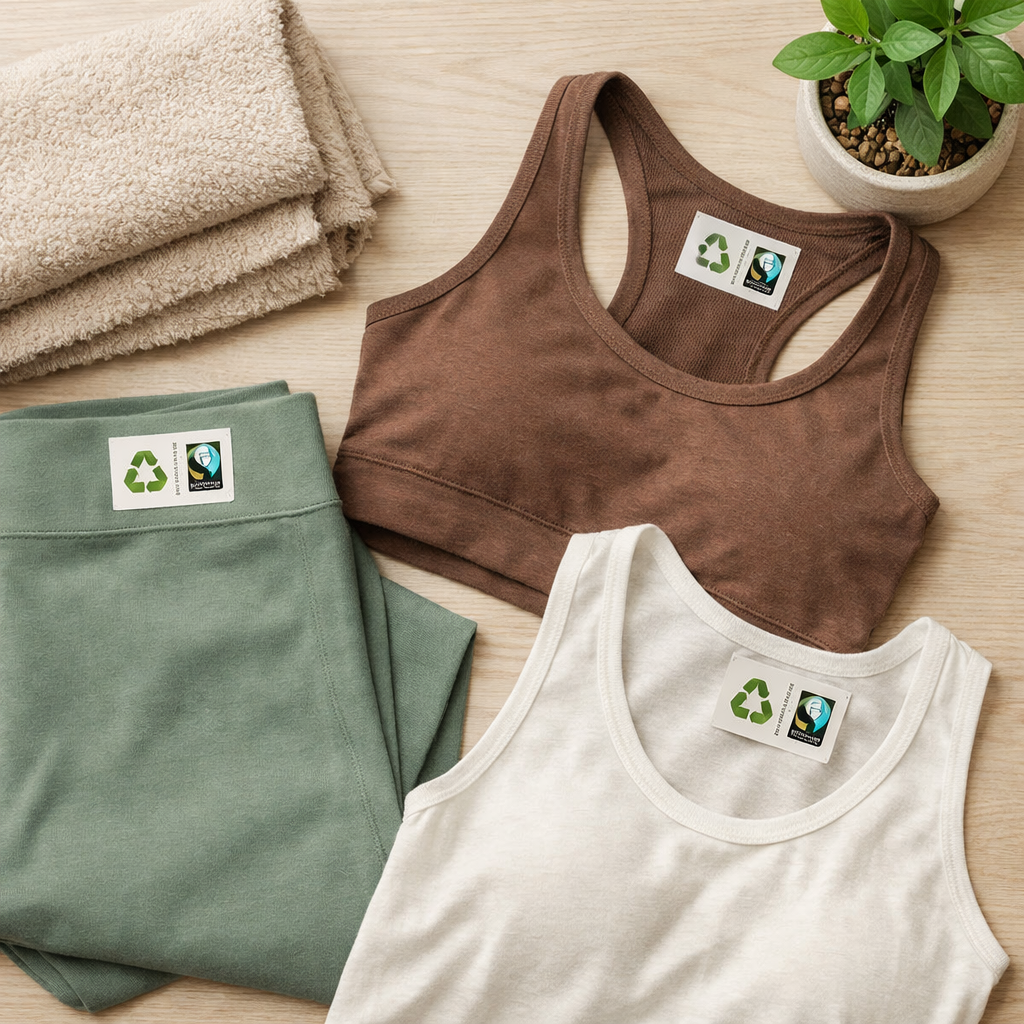
Certified Fair-Trade and Recycled Training Apparel Brands Worth Your Money
Sustainable workout clothes shouldn’t force a choice between performance and principles. The best certified Fair Trade and recycled training apparel brands pair sweat-proof function with verified materials, safer chemistry, and fairer labor—so your gear moves with you and your values. Below, we shortlist ethical activewear that meets real standards (think GRS-certified recycled polyester leggings, GOTS organic cotton, OEKO-TEX skin-safety), calls out PFAS awareness, and offers size-inclusive fits. From studio-to-street staples to high-intensity kits, use this guide to zero in on recycled, traceable fibers, social certifications, and price points that deliver everyday value without greenwashing. At The Yoga Republic, we spotlight standards-backed picks—not greenwashed claims.
The Yoga Republic
At The Yoga Republic, our lens is movement-first and sustainability-filtered. We test for stretch, breathability, recovery, and opacity under real training conditions, then filter picks for verified recycled and organic materials, fair labor signals, safer-dye processes, and studio-to-street versatility. Durability, repairability, and clear price/value earn extra credit. We prioritize third-party certifications and transparent reporting over feel-good marketing.
Selection criteria:
- Materials and chemistry: recycled polyester/nylon (preferably GRS), GOTS organic cotton, Tencel; PFAS policies/disclosure and OEKO-TEX where relevant.
- Fair labor: Fair Trade or SA8000 where possible.
- Fit and function: inclusive sizing, consistent compression, squat-proof fabrics, versatile silhouettes.
- Longevity: construction quality, care guidance, repair pathways, and warranty signals.
Fair Trade definition (40–50 words): Fair Trade certification verifies safer workplaces, fairer pay, and community premiums in cut-and-sew supply chains. It provides third-party traceability across factories and programs, giving shoppers proof of improved conditions versus brand promises—especially relevant for cotton and apparel assembly.
GRS definition (40–50 words): The Global Recycled Standard (GRS) verifies recycled content and chain-of-custody from recycler to finished garment. It also screens chemical inputs and social practices, helping buyers confirm real recycled percentages and safer processing across suppliers—guardrails that keep “recycled” claims honest.
Explore more about our approach at The Yoga Republic: https://www.theyogarepublic.com/
Reformation
Reformation’s active line earns its spot for fashion-forward, eco-friendly yoga sets made with Repreve from 100% post-consumer bottles. The brand reports its recycled polyester requires roughly 45% less energy, 20% less water, and emits 30% fewer greenhouse gases than virgin polyester, with prices like Ecostretch high-rise leggings at $88 and Ivy cropped tanks at $48, as profiled by Vogue’s sustainable workout clothes guide: https://www.vogue.com/article/sustainable-workout-clothes. Expect streamlined, compressive leggings and matching tops that deliver gym-to-brunch polish—ethically made sets without compromising function.
Everlane
Everlane builds minimalist activewear basics with transparency-first pricing and materials.
- Materials and commitments: eliminating all virgin plastics; active pieces use recycled nylon and recycled polyester.
- Everyday training staples: sleek, sweat-wicking Perform fabric with light compression for daily movement.
- Price anchors: Perform legging $58; Perform bra $35; Perform cami $40 (per Vogue’s roundup).
If you want recycled nylon leggings and sustainable basics that slot seamlessly into a capsule wardrobe, this is a smart value.
Summersalt
Summersalt brings color and clarity to sustainable activewear. Most workout pieces use 80–90% recycled polyester with GRS certification, and product pages often list the bottle count per item for easy impact scanning. With prices like the Midi sports bra at $55, Do-It-All bike short at $65, and 7/8 legging at $80 (as noted by Vogue), this is GRS-certified activewear with playful palettes and reliable gym function.
Girlfriend Collective
Girlfriend Collective sets the bar on size-inclusive activewear with circular design and robust social/chemical certifications. Many leggings use recycled bottles and waste textiles—an example blend is 79% recycled bottles and 21% spandex, as profiled by Cleanhub: https://www.cleanhub.com/blog/best-sustainable-workout-clothes. The brand highlights SA8000 social accountability and OEKO-TEX STANDARD 100 across key styles, with inclusive sizing from 2XS–6XL (noted by Healthline and evaluated by Good On You: https://goodonyou.eco/ultimate-guide-ethical-activewear/). The Paloma bra typically ranges $49–$98, per Today’s affordable sustainability roundup: https://www.today.com/shop/best-affordable-sustainable-clothing-t279199.
Size inclusivity snapshot:
| Brand | Size inclusivity notes |
|---|---|
| Girlfriend Collective | Full plus range (2XS–6XL) |
| Reformation | Extended sizes in select styles; check product pages |
| Everlane | Broad basics range with many extended options |
| Summersalt | Many sets include extended sizes |
| Adidas by Stella McCartney | Athletic fit; extended sizes vary by style |
| Patagonia | Unisex/outdoor fits; some extended sizing |
| Pact | Many basics in XS–XXL; varies by style |
| Vyayama | Core range; check listings |
| MOVE by MATE | Core range; small-batch drops |
| Boldwill | Varies by capsule; verify per product |
| Threads 4 Thought | Many styles include plus; confirm per item |
Adidas by Stella McCartney
Designed for high-intensity training, this collab uses recycled inputs like Parley Ocean Plastic and Primegreen recycled polyester, pairing runway-informed design with R&D to curb virgin plastics and resource use (as described by Vogue). Parley apparel uses plastics recovered from beaches and coastal communities, with performance pieces and eco running shoes that stand up to sprints and circuits; expect premium pricing benchmarks like the Ultraboost X around $220 (also profiled by Today).
Patagonia
Patagonia remains the blueprint for Fair Trade activewear, durability, and repairability that crosses over from the trail to training. The B Corp states 83% of its garments are Fair Trade Certified and leans heavily on recycled polyester, prioritizing long-life design to reduce waste, per Marie Claire’s ethical picks: https://www.marieclaire.co.uk/life/health-fitness/best-sustainable-activewear-brands. The brand contributes to 1% for the Planet and invests in lower-impact chemistry and energy, as summarized by The Good Trade: https://www.thegoodtrade.com/features/best-sustainable-activewear/.
Pact
Pact is our budget-friendly pick for soft organic basics—great for yoga, Pilates, and recovery days. The brand uses GOTS-certified organic cotton and partners with Fair Trade Certified factories, as reported by Healthline: https://www.healthline.com/health/fitness/best-sustainable-activewear-brands. Pact is carbon neutral, calls out PFAS-free materials in key lines, and typically prices bestselling leggings around $34–$44. For PFAS-free guidance, see The Good Trade’s overview: https://www.thegoodtrade.com/features/pfas-free-clothing/.
Vyayama
Prefer plant-based activewear? Vyayama builds breathable, moisture-wicking Tencel yoga wear from sustainably farmed eucalyptus, delivering silky comfort and reliable stretch for flows and barre. Fabrics are knit near European garment production to cut transport impact—smart supply-chain design noted by Vogue’s guide.
MOVE by MATE
MOVE by MATE makes small-batch, organic-forward separates that prioritize non-toxic processes and plastic-free strategies where possible. Expect soft, supportive knits suited to low-impact training and everyday wear. Scan fiber content, low-impact dye notes, and care instructions to maximize longevity; this line shines in lifestyle crossover and mindful materials.
Boldwill
Boldwill fits the same micro-brand frame: focused materials transparency, streamlined collections, and essentials for training without extra fluff. On product pages, look for full fiber breakdowns, any certifications (OEKO-TEX/GRS/GOTS if applicable), and practical returns or repair info. Ethical micro-brand activewear lives and dies by this clarity—choose those who show their work.
Threads 4 Thought
Threads 4 Thought specializes in soft, everyday training pieces using responsible cellulosics like Lenzing Modal. The brand works with Fair Trade USA and WRAP-certified manufacturers (as covered by Healthline), making it a solid pick for yoga, light cardio, and athleisure where drape and breathability matter.
How we chose these brands
At The Yoga Republic, we filtered hype through measurable impact, movement-friendly performance, and value. Our criteria:
- Proven materials: recycled polyester/nylon (ideally GRS) from bottles or nets for durability and moisture management; plant-based options (GOTS organic cotton, Tencel) for low-toxicity comfort.
- Safer chemistry: OEKO-TEX testing where possible; evidence of responsible dyeing and wastewater treatment.
- Social standards: Fair Trade, SA8000, or similar signals of wages/conditions in sewn goods.
- Function and fit: performance under sweat, compression consistency, inclusive sizing.
- Longevity and value: construction quality, repairability, and clear price tiers.
Quick comparison map:
| Brand | Core materials | Key certifications/proofs | Size range notes | Price tier |
|---|---|---|---|---|
| Reformation | Repreve recycled polyester (rPET) | Recycled content reporting | Extended in select styles | $$–$$$ |
| Everlane | Recycled nylon, recycled polyester | Transparency commitments | Many extended basics | $–$$ |
| Summersalt | 80–90% recycled polyester (GRS) | GRS on product pages | Extended options in many sets | $$ |
| Girlfriend Collective | rPET, recycled nets/waste textiles | SA8000, OEKO-TEX STANDARD 100 | Full plus (2XS–6XL) | $$ |
| Adidas by Stella McCartney | Parley Ocean Plastic, Primegreen rPET | Parley partnership | Extended varies by style | $$$ |
| Patagonia | Recycled polyester/nylon | B Corp, Fair Trade Certified (many styles) | Outdoor/unisex; some extended | $$–$$$ |
| Pact | GOTS organic cotton blends | GOTS, Fair Trade factories | XS–XXL in many basics | $ |
| Vyayama | Tencel (eucalyptus) | — | Core range | $$–$$$ |
| MOVE by MATE | Organic-forward knits | — (non-toxic/process transparency focus) | Core range | $$ |
| Boldwill | Streamlined recycled/organic mixes | — (transparency-first) | Varies by capsule | $$ |
| Threads 4 Thought | Lenzing Modal, recycled blends | Fair Trade USA, WRAP factories | Many styles include plus | $–$$ |
Notes:
- Recycled synthetics balance stretch and wicking but can shed microfibers; prefer brands with responsible dyeing and wastewater treatment.
- Plant-based fibers score on low-toxicity and biodegradability, but often need elastane for higher-intensity support.
What to know about materials and certifications
Recycled polyester (rPET) definition (40–50 words): Recycled polyester is polyester remade from recovered plastics—commonly post-consumer bottles or reclaimed fishing nets—melted and spun into new yarns. It keeps performance traits like moisture-wicking and resilience while reducing demand for virgin petrochemicals. GRS verification helps confirm recycled percentages and safer processing (as summarized by Vogue and Cleanhub).
OEKO-TEX STANDARD 100 definition (40–50 words): OEKO-TEX STANDARD 100 means textiles are tested for a long list of potentially harmful substances at defined limits across all components, from dyes to threads. It’s not an environmental certification but complements recycled/organic claims to ensure skin-safe wear. Brands like Girlfriend Collective highlight this testing, per Good On You.
GOTS definition (40–50 words): The Global Organic Textile Standard (GOTS) certifies organic fibers like cotton from field to finished garment, covering restricted chemicals, wastewater treatment, and social criteria with chain-of-custody traceability. It’s a trusted low-toxicity marker for organic cotton training basics and loungewear.
Quick checklist before you buy:
- Verify material breakdown and % recycled; prefer GRS where possible.
- Scan for OEKO-TEX, GOTS, Fair Trade, or SA8000 badges.
- Check size inclusivity, opacity under movement, and return policies.
- Weigh price against durability, repair/guarantee claims, and care guidance.
Care and longevity tips for lower-impact training gear
- Wash cold, inside-out, in a full load to reduce friction; use a microfilter bag or in-machine filter to reduce microfiber shedding.
- Air-dry to preserve elastane recovery and cut energy use; skip fabric softeners (they can block wicking).
- Spot-clean and line-dry between sessions; rotate sets to allow fabric recovery.
- Choose fragrance-free, enzyme detergents; for plant-based fibers, reshape and dry flat.
- Repair small seams or snags early and follow brand-specific care for prints and trims.
Frequently asked questions
How do Fair Trade and other social certifications improve apparel ethics?
They provide third-party verification of safer working conditions and fairer pay in cut-and-sew facilities, so your purchase supports better labor practices instead of relying on brand promises alone.
What recycled certifications and labels should I look for on training clothes?
Look for GRS to verify recycled content and chain-of-custody, plus OEKO-TEX for harmful-substance testing. At The Yoga Republic, we also pair these with Fair Trade or SA8000 for well-rounded accountability.
Are recycled synthetics or natural fibers better for workouts?
Recycled synthetics usually excel at sweat management and stretch for higher-intensity training, while organic cotton or Tencel feel great for low to mid-intensity and recovery. Blends can deliver performance while keeping impact in check.
How can I reduce microfiber shedding from activewear at home?
Wash cold in a full load, use a filter bag or machine filter, avoid fabric softeners, and air-dry. These small steps help your gear last longer and reduce microfibers entering waterways.